
Art Direction
Things to Know
Interesting facts & details, tips & tricks to know
Art, Creative World, Tips and Tricks …
How to learn Art
Practice regularly and consistently. Experiment with different mediums, styles, and techniques to discover what resonates with you. Don’t be afraid to make mistakes; they’re a valuable part of the learning process. Take classes. Seek feedback from others and study the work of artists you admire. Dedicate time to both observational drawing and imaginative creation. Remember, improvement takes time, so be patient and enjoy the journey.
How to get inspiration
Observe and Engage: Take a walk in nature, visit a museum, people-watch at a café, or explore your surroundings with a curious eye. Pay attention to the colors, textures, emotions, and stories that you come across. Engaging with the world around you can spark new ideas and perspectives for your art. Remember, inspiration can come from anywhere, so stay open to experiences and let your creativity flow.
Start & End Points
Identify Your Goal: Before beginning any task or project, clearly define what you want to achieve. Determine the purpose, desired outcome, and specific goals you have in mind. Once you’ve set your goal, break it down into smaller, manageable steps. Adjust and Refine: Throughout the process, be open to adjusting your start and end points if needed.
Lighting and Shadows
- Start: Decide on the direction of light sources early on. This will affect where shadows fall and how highlights are placed.
- End: Enhance the realism by refining the shadows and highlights to accurately represent the lighting in your painting.
Focal Point
- Start: Identify the main focal point of your painting. This is where you want the viewer’s attention to be drawn.
- End: Make sure your focal point is well-defined and stands out through contrast, detail, or color intensity
Details and Textures
- Begin with broad strokes to establish shapes and forms. Gradually add details as you progress.
- End: Use fine brushes or techniques to add intricate details and textures to give your painting depth and richness.
Edges and Blending
- Be conscious of the softness or sharpness of edges in your composition. This affects the overall feel of your painting.
- End: Check for smooth transitions between different elements to create a sense of realism.
Finishing Touches
- Keep in mind the mood or atmosphere you want to convey. This will guide your artistic choices from the beginning.
- End: Review your painting against your initial vision. Make any necessary adjustments to ensure your painting matches your original intent.
Drawing Speed
Practice with Timed Sessions: Set a timer for a short period, like 5-10 minutes, and challenge yourself to complete a quick sketch or drawing within that time. This will help you focus on capturing the essential elements of your subject and train your hand to work more efficiently. Gradually decrease the time as you become more comfortable. This technique can help you become quicker and more confident in your drawing abilities.
Embrace Mistakes
Mistakes are part of the creative process. Don’t be afraid to make them—each misstep is an opportunity to learn and grow as an artist. Many great breakthroughs in art come from unexpected errors. Keep experimenting and refining, as even the imperfections can add uniqueness to your work.
Work in Layers
Whether you’re working with paint, digital tools, or mixed media, building your artwork in layers can add depth and complexity. Start with a basic sketch or foundation, then gradually add details, textures, and highlights. This technique gives you more control over the final outcome and allows room for adjustments along the way.
Understand the Importance of Composition
Composition is key to creating visually appealing art. Learn the principles of balance, contrast, and focal points to guide the viewer’s eye through your work. Whether you use the rule of thirds or play with asymmetry, a strong composition is the foundation of great art.
Planning and Composition
- Start: Begin with a clear vision of what you want to paint. Sketch out the basic composition and layout before diving into details.
- End: Review your composition before finishing. Make sure your focal points and elements are well-balanced and visually pleasing.
Color Palette
- Start: Choose a limited color palette before you start painting. This can help create a cohesive and harmonious color scheme.
- End: Consider adding subtle variations of your chosen colors to add depth and interest to your painting.
Layers and Background
- Establish the background and base layers first. This provides a foundation for your painting.
- End: Pay attention to the layers in the foreground and add details that create depth and dimension
Reverse painting- short tips
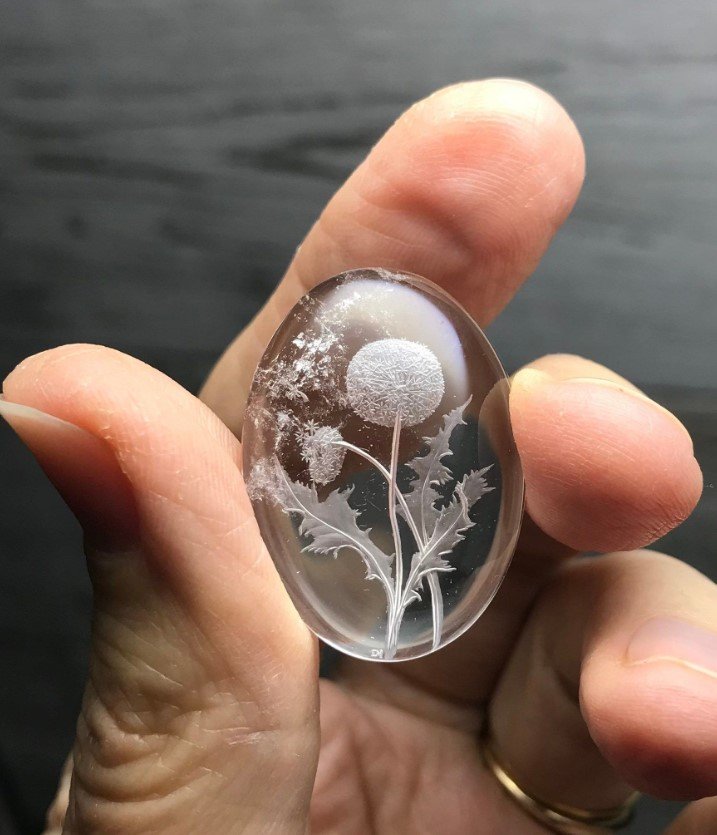
Clean Glass: Start with a clean glass surface for your painting.
Plan Design: Sketch a reversed design before painting.
Background First: Paint foreground layers first.
Build Depth: Layer from foreground to background, unlike regular painting.
Small Details Last: Add fine details after larger shapes.
Reverse Perspective: Remember reversed perspective.
Test Colors: Test colors on spare glass.
Be Patient: Take your time; let layers dry.
Fix Carefully: Correct mistakes with caution.
Protect Finish: Apply clear varnish for protection.
Mind Framing: Use spacers to protect the painting
Practice Matters: Learn through practice and experimentation.
Optimal Lighting: Consider display lighting for impact
FOLLOW US >
Be part of the Creative Community and receive
valuable Tips direct to Your inbox